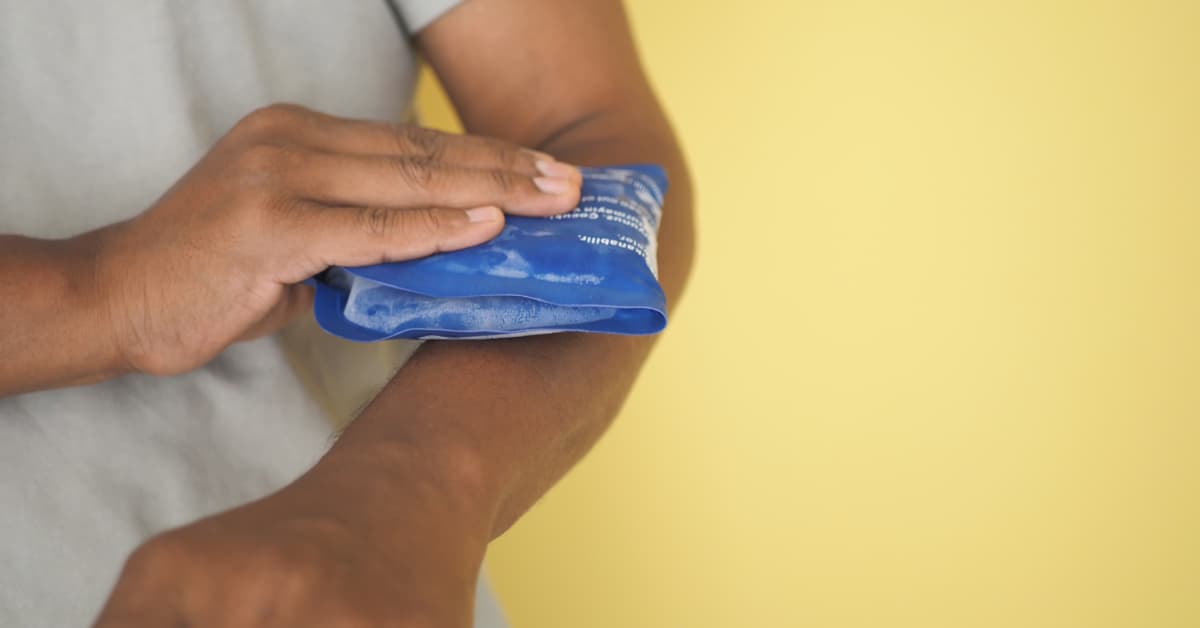







You rested it. You iced it. You even went to the doctor. But here you are, weeks later, still dealing with the same nagging pain that just won't go away...
Sound familiar?
At Renew Wellness, we see this all the time. Patients across North and South Carolina who have been trying to manage an injury on their own, only to finally come in frustrated, confused, and feeling a little defeated.
The good news? There's almost always a clear reason your body hasn't bounced back the way it should. And once we find it, we can fix it!
Here are the most common reasons your injury is taking longer than it should to heal (and what you can actually do about each one).
1. You're Resting Too Much (Yes, Really)
This is probably the most common mistake we see. When something hurts, the natural instinct is to stop moving completely. That makes total sense , but for most injuries, complete rest is actually not the best approach.
Here's why: your body heals through movement. When you move, blood flows to the injured area and brings along the oxygen and nutrients your tissues need to repair themselves. When you stop moving entirely, that process slows way down.
This doesn't mean pushing through sharp, getting-worse pain. It means finding the right amount of movement for where you are in your recovery, which looks different for everyone.
What to do instead: Start gentle, controlled movement as soon as you're able. A physical therapist can show you exactly how much is appropriate so you're helping your body heal instead of accidentally holding it back.
2. You're Still Treating It Like a New Injury When It's Not
Ice and rest make sense in the first two to three days after getting hurt. But if you're still icing something that happened a month ago, you may actually be slowing things down.
Early on, your body creates inflammation around an injury (that's the redness, swelling, and heat you feel.) That process is supposed to happen. It's your body's way of starting repairs. But over time, your body naturally shifts out of that phase and into the actual rebuilding stage. That rebuilding process needs good blood flow to work. Ice reduces blood flow. So using it long after that early window has passed can get in the way.
What to do instead: Once you're past those first few days, focus on movement and warmth rather than cold and rest. If you're not sure where you are in the process, a quick conversation with a physical therapist can point you in the right direction.
3. The Root Cause Was Never Actually Addressed
Here's something that might change how you think about your injury: where it hurts is often not where the problem actually is.
Lower back pain is frequently caused by tight hips or a weak core. Knee pain is often connected to weakness in the glutes and hips (the muscles above the knee). Shoulder pain can come from stiffness in the mid-back or poor control of the shoulder blade.
If you've only been treating the painful spot (stretching it, rubbing it, icing it) without figuring out why it started hurting in the first place, the pain will keep coming back.
This is one of the most important things we do at Renew Wellness: we look at how your whole body moves, not just the part that hurts, so we can find the actual source of the problem.
What to do instead: Get a full movement evaluation from a physical therapist. Understanding the "why" behind your pain is often the missing piece that finally makes the difference.
4. You're Not Sleeping Enough
This one catches a lot of people off guard. Sleep is one of the most powerful recovery tools you have (and best of all, it costs nothing).
While you sleep, your body does a huge amount of repair work. It releases hormones that rebuild tissue, bring down inflammation, and process everything you practiced in physical therapy. When you're only getting five or six hours a night, you're cutting that repair window short every single night.
Research clearly shows that people who sleep poorly heal more slowly, feel more pain, and are more likely to get hurt again. It's not just about feeling rested. Sleep is genuinely doing physical work for your body.
What to do instead: Aim for seven to nine hours of quality sleep. Look at what's getting in the way: too much screen time before bed, stress, inconsistent sleep times, and start there.
5. Your Diet Isn't Giving Your Body What It Needs to Heal
Healing takes fuel. Your body needs specific nutrients to repair damaged tissue, and if you're not eating enough of them, recovery slows down.
Protein is one of the big ones. Your body uses protein to rebuild muscle, tendons, and other soft tissue. Vitamin C helps build collagen (the material that makes up tendons and ligaments). Vitamin D supports bone health and helps regulate inflammation. These aren't just general health tips. They directly affect how fast your body can repair itself.
What to do instead: Make sure you're eating enough, especially protein. This isn't the time to diet aggressively. If you're unsure what your body needs, a registered dietitian can be a big help.
6. Stress Is Making Your Pain Worse
The connection between mental stress and physical pain is real, well-researched, and often underestimated.
When you're stressed, your body stays in a kind of high-alert mode. That raises inflammation levels throughout your body, makes your nervous system more sensitive to pain (meaning things hurt more than they normally would) and disrupts your sleep. All of that makes healing harder.
We regularly see patients whose injuries stop improving until they address a major stressor in their life. It's not that the pain is imaginary. It's that your brain and body are connected, and a stressed body is a body that struggles to heal.
What to do instead: Take stress management seriously as part of your recovery. Breathing exercises, time outside, staying socially connected, and talking to a mental health professional when needed are all legitimate parts of getting better.
7. You're Not Being Consistent With Your Rehab
We'll be honest with you: doing your home exercises three times in two weeks is not following the program.
Your body adapts to exercise through repetition and consistency, not occasional effort. Muscles get stronger, tendons get more resilient, and movement patterns improve because of repeated practice over time. If you're doing your exercises here and there when you remember, the tissues don't get enough input to actually change.
This isn't about being perfect. It's about showing up most of the time.
What to do instead: Treat your rehab exercises like an appointment you can't cancel. If the program feels like too much, tell your physical therapist! We can always adjust it to something you'll actually stick with.
8. You've Been Self-Diagnosing (and Getting It Wrong)
There's a lot of health information on the internet, and it's tempting to look up your symptoms and build your own recovery plan. Sometimes people get lucky. More often, they spend weeks — or months — treating the wrong problem.
What feels like a simple muscle strain might actually be a tendon issue, which heals very differently and needs a completely different approach. What you're calling tight hamstrings might actually be irritation along your sciatic nerve (the large nerve that runs down the back of your leg). Getting the diagnosis wrong means the treatment is wrong too, and nothing improves.
What to do instead: See a physical therapist for a proper evaluation. At Renew Wellness, we don't need a doctor's referral to help you or work with your insurance. Click here to learn more and get booked with a physiotherapist today!
9. You Returned to Full Activity Too Soon
Feeling better is not the same thing as being fully healed. This is one of the most common ways people end up hurt again or find that the original injury drags on far longer than it should.
Even after pain goes away, the tissue underneath (especially tendons and ligaments) is often still in the process of rebuilding and strengthening. That process can take several months. Going back to your full workout routine, sport, or physical job before that work is done puts you right back at risk.
Feeling no pain is a good sign. But it's not the finish line.
What to do instead: Follow a step-by-step return-to-activity plan with clear goals at each stage.
10. You Haven't Worked With a Physical Therapist Yet
Sometimes the simplest reason your injury is dragging on is that you haven't had the right help yet!
Physical therapy isn't just for recovering from surgery or serious injuries. It's one of the most well-supported treatments available for all kinds of pain and injury: back pain and shoulder problems to ankle sprains, knee pain, and everything in between.
A good physical therapist will find the real cause of your problem, build a plan that fits your specific body and goals, and give you the tools to stay healthy long after the pain is gone.
Ready to Finally Feel Better?
If you've been trying to manage an injury on your own and not making the progress you deserve, Renew Wellness is here to help. We work with patients all across North and South Carolina with a hands-on, individualized approach built around what actually works for you.
You don't have to keep waiting it out. Most injuries respond really well once you have the right plan, and we'd love to help you build yours!

.webp)