






.jpg)
At Renew Wellness, we believe that truly understanding your treatment plan is one of the most powerful tools in your recovery. One of the most common questions we hear from patients is: "Why am I being asked to do exercises at home when I'm already coming in for treatment?"
The answer lies in one of the most fundamental principles of modern physiotherapy — the balance between active and passive treatments.
Whether you're recovering from a sports injury, managing chronic pain, or rehabilitating after surgery, knowing the difference between these two approaches can help you become a more informed, empowered participant in your own healing.
What Are Passive Treatments?
Passive treatments are therapeutic techniques that are done to you — meaning you are the recipient of care rather than an active participant. During passive treatment, your physiotherapist does the work while you relax and allow your body to receive the therapy.
Common examples of passive treatments include:
- Manual therapy – hands-on joint mobilization and manipulation
- Massage therapy – soft tissue release and muscle relaxation
- Ultrasound therapy – using sound waves to reduce inflammation and promote tissue healing
- TENS (Transcutaneous Electrical Nerve Stimulation) – electrical stimulation for pain relief
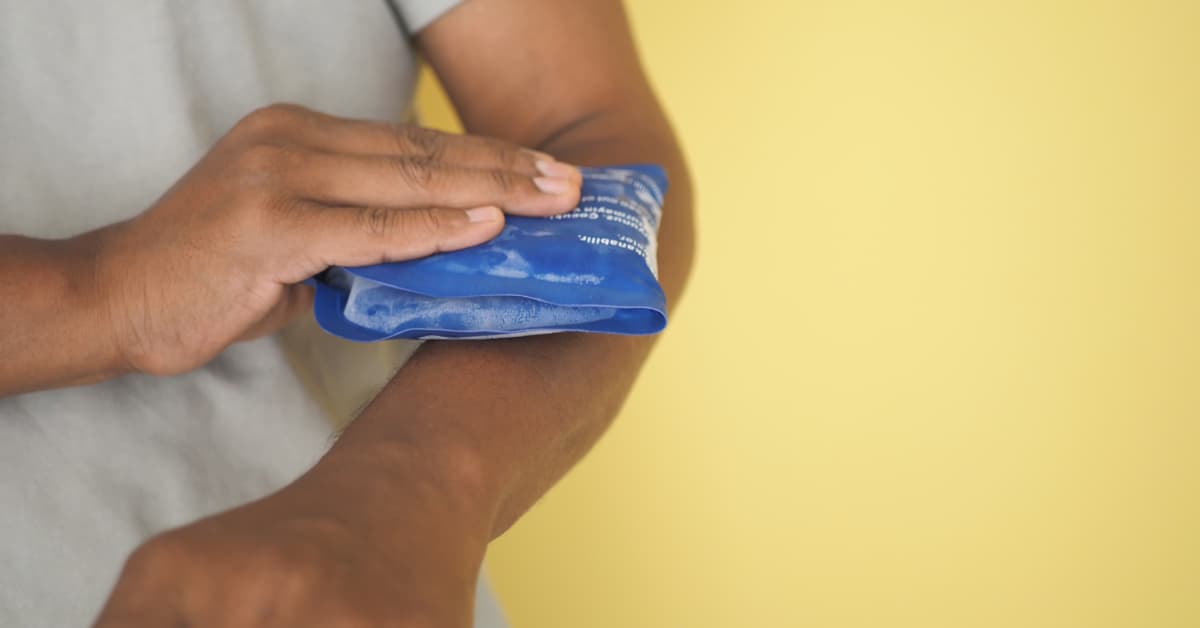
- Heat and ice therapy – managing inflammation and improving circulation
- Dry needling or acupuncture – targeting trigger points and nerve pathways
- Taping and strapping – providing external support to joints and muscles
When Are Passive Treatments Most Valuable?
Passive treatments are especially effective in the early stages of recovery, when pain levels are high and movement is limited. They help to:
✅ Reduce acute pain and inflammation
✅ Improve circulation and promote tissue healing
✅ Restore joint mobility and flexibility
✅ Calm the nervous system
✅ Prepare the body for more active rehabilitation
Think of passive treatment as laying the groundwork — creating the conditions your body needs to begin healing and eventually move more freely.
What Are Active Treatments?
Active treatments, on the other hand, require your direct participation. These are exercises, movements, and strategies that you perform — either under the supervision of your physiotherapist during a session or independently as part of your home program.
Common examples of active treatments include:
- Therapeutic exercises – targeted strength and mobility exercises
- Stretching programs – improving flexibility and range of motion
- Postural retraining – correcting movement habits that contribute to pain
- Balance and coordination training – rebuilding neuromuscular control
- Functional movement training – practising real-life activities safely
- Cardiovascular conditioning – rebuilding overall fitness during recovery
- Education and self-management strategies – understanding your body and preventing re-injury
Why Are Active Treatments So Important?
Active treatments are where long-term, lasting change happens. Research consistently shows that active rehabilitation leads to:
✅ Greater strength and functional ability
✅ Reduced risk of re-injury
✅ Improved independence and confidence
✅ Long-term pain relief (beyond short-term symptom management)
✅ Better overall physical and mental health outcomes
If passive treatment is the foundation, active treatment is the structure you build on top of it — the part that gives your recovery its strength and staying power.
How Do They Work Together?
Here at Renew Wellness, our physiotherapists don't choose between active and passive treatments — we combine them strategically based on your individual needs, goals, and stage of recovery.
A typical care journey might look like this:
| Stage | Focus | Examples |
|---|---|---|
| Acute Phase | Pain relief & protection | Manual therapy, ice/heat, taping |
| Sub-Acute Phase | Restore mobility & begin movement | Gentle exercises, soft tissue work |
| Rehabilitation Phase | Build strength & function | Therapeutic exercise, balance training |
| Maintenance Phase | Prevent recurrence & optimise performance | Home programs, postural education |
As you progress through your recovery, you'll likely notice the balance gradually shifting from passive toward active — and that's a very good sign. It means your body is healing and gaining independence.
The Risk of Relying Too Heavily on Passive Treatment
While passive treatments are genuinely valuable, relying on them exclusively can actually work against your recovery. If you only ever receive treatment without actively engaging in your rehabilitation, you may find that:
- Pain keeps returning shortly after each session
- You feel dependent on appointments rather than empowered in your recovery
- Underlying muscle weakness or movement dysfunction is never truly addressed
- Progress feels slow or stagnant over time
This is why our team at Renew Wellness always works toward building your self-sufficiency — giving you the tools, knowledge, and confidence to manage your health beyond the treatment room.
Your Role in the Recovery Partnership
Recovery is a two-way street. While our physiotherapists bring expertise, hands-on skill, and evidence-based techniques to every session, your commitment outside the clinic is equally important.
Here's how you can get the most out of your treatment plan:
🔹 Do your home exercises consistently — even 10–15 minutes a day makes a significant difference
🔹 Communicate openly with your physiotherapist about what's working and what isn't
🔹 Ask questions — understanding why you're doing something increases motivation and compliance
🔹 Be patient with the process — healing is not linear, but each step forward matters
🔹 Celebrate small wins — increased mobility, reduced pain, and improved strength are all worth acknowledging
Final Thoughts
The most effective physiotherapy programs aren't about choosing between active or passive care — they're about knowing when to use each approach and combining them intelligently.
At Renew Wellness, our goal is never just to manage your symptoms. We want to help you understand your body, rebuild your strength, and move through life with confidence.
Whether you're just starting your recovery journey or looking to take it to the next level, our team is here to guide you every step of the way.
Ready to take an active role in your recovery? 📞 Contact Renew Wellness today to book your initial assessment and discover a treatment plan designed around you.

.png)